In late July, members of the Office of Hawaiian Affairs (OHA) Board of Trustees led by Chairperson Kaialiʻi Kahele, along with OHA CEO Stacy Ferreira and OHA Sr. Director of Hawaiian Cultural Affairs Hailama Farden, had the opportunity to travel to Raʻiātea, an island in Māʻohi Nui (French Polynesia), to participate at the annual Heiva Raromataʻi Festival.
OHA attended the festival at the invitation of the mayors of the island’s three municipalities: Tavana (Mayor) Matahi Brotherson of Uturoa; Tavana Thomas Moutame of Taputapuātea; and Tavana Cyril Tetuanui of Tamarau.
The Hawaiʻi delegation also included representatives from Kamehameha Schools (KS) led by Dr. Randie Fong, and esteemed cultural practitioners and language experts Dr. Larry Kimura, Dr. Kalena Silva, Dr. Kekoa Harman, Pelehonuamea Harman, and renowned artisan Kanaʻe Keawe.
The relationship between OHA, Kamehameha, and Raʻiātea follows the signing of a Cultural Heritage, Education, and Community Exchange Agreement between Raʻiātea and Hawaiʻi in January 2025. The agreement underscores a shared commitment to friendship, cultural preservation and mutual understanding and support.
Heiva Raromataʻi was a four-day celebration of culture – with music, dance and oratory from sunset to midnight every evening. Mornings and afternoons included cultural workshops plus good natured, uniquely Polynesian competitions such as “Te Timau Raʻau” – a race performed while carrying loads of fruit.
Participation in the Heiva Raromataʻi festival in Raʻiātea nurtured spiritual, cultural and political ties within Polynesia
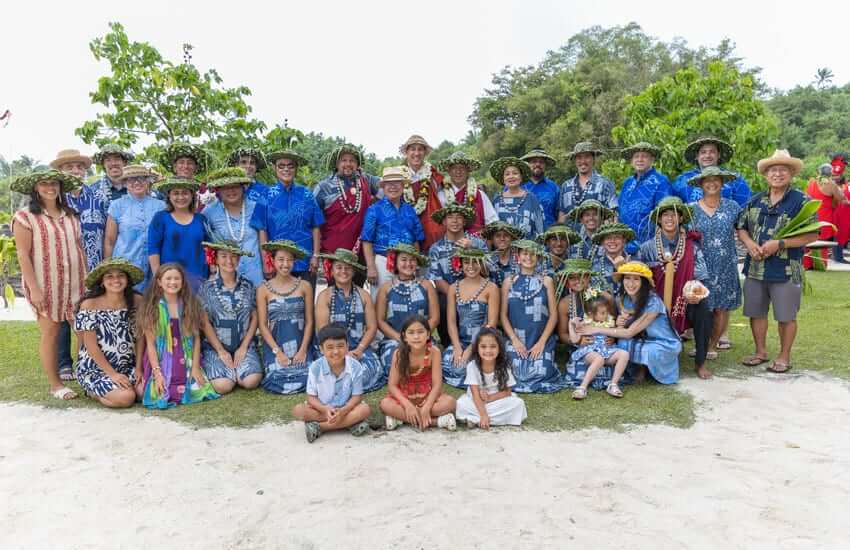
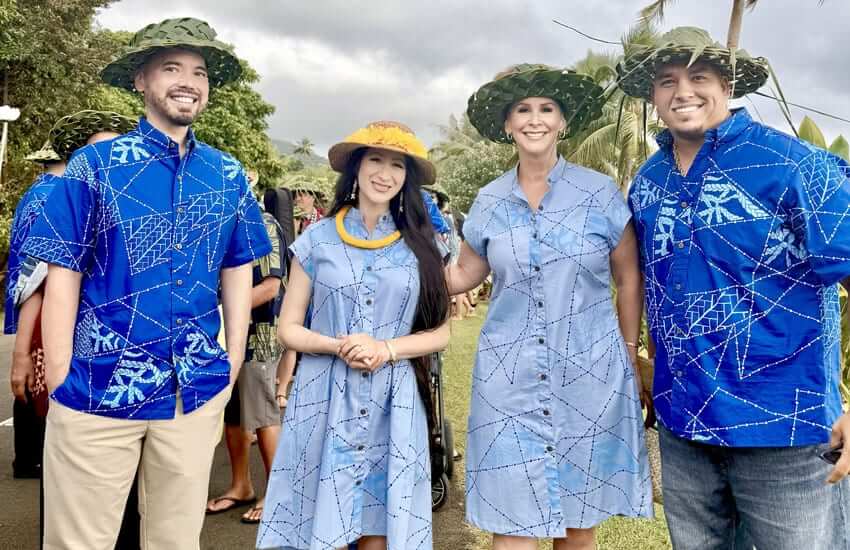
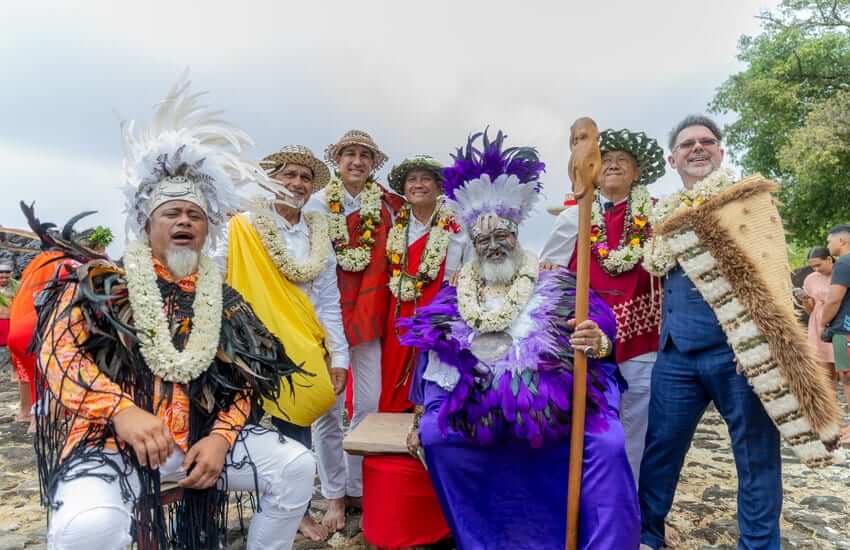
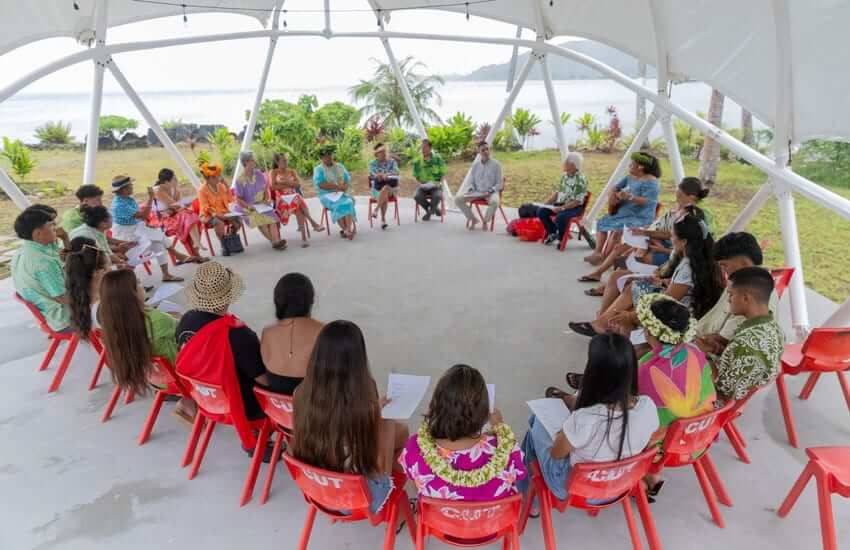
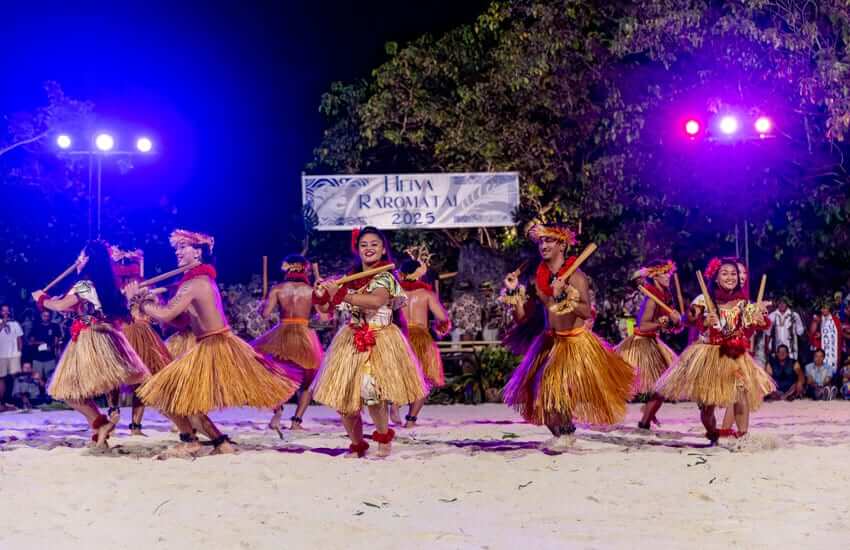
The annual event brings together participants from across Māʻohi Nui. With the inclusion of representatives from the three “corners” of Polynesia – Aotearoa (New Zealand), Rapa Nui (Easter Island), and Hawaiʻi – this year’s event carried special significance, as the island of Raʻiātea, is considered the piko (center) of the Polynesian “triangle.”
“OHA’s participation in Heiva Raromataʻi was a powerful reminder of our shared cultural bonds across Polynesia,” said Kahele. “From the warmth of the Raʻiātea communities that hosted the more than 3,000 people who attended, to the honor of our delegation joining with them in song and dance, we witnessed the living strength of our Moananuiākea connections.”
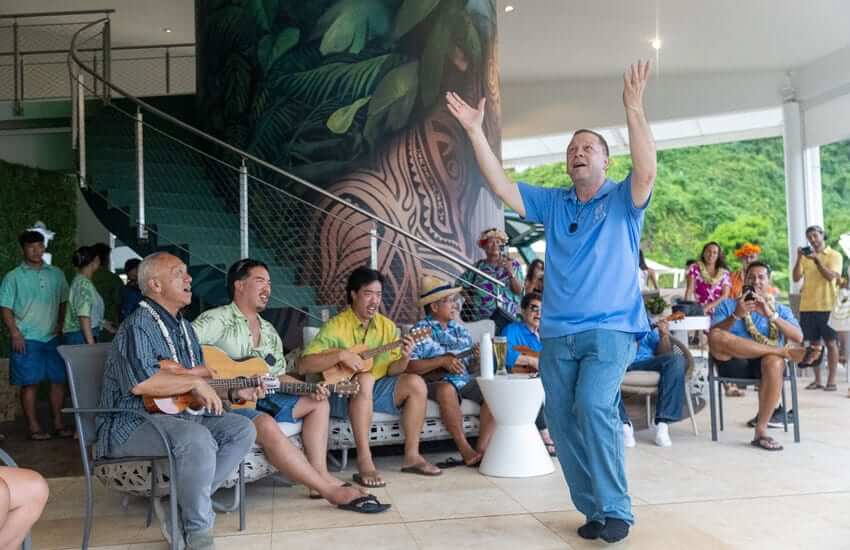
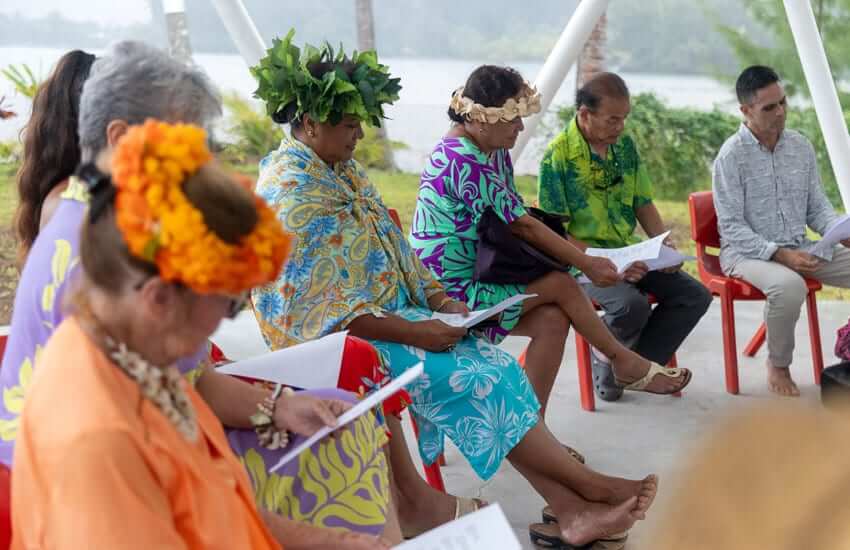
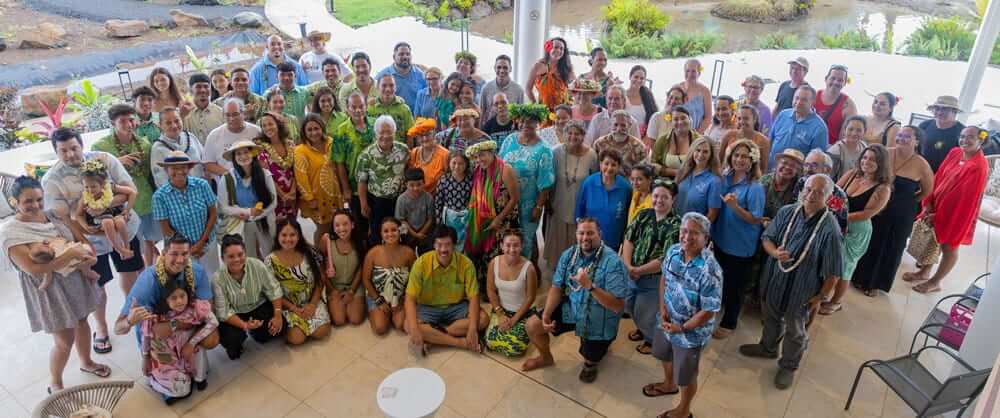
On the third day of the festival, Hawaiʻi’s delegation hosted an afternoon event, “Celebration of Hawaiian Culture,” that included a brief opening protocol with mele, pule and a welcome by Kimura. Guests from the community relaxed to kanikapila-style music provided by OHA trustees Kahele, Vice Chair Keoni Souza, Chair Emerita Carmen “Hulu” Lindsey, Fong, and Uncle Danny Akaka – accompanied by many impromptu hula.
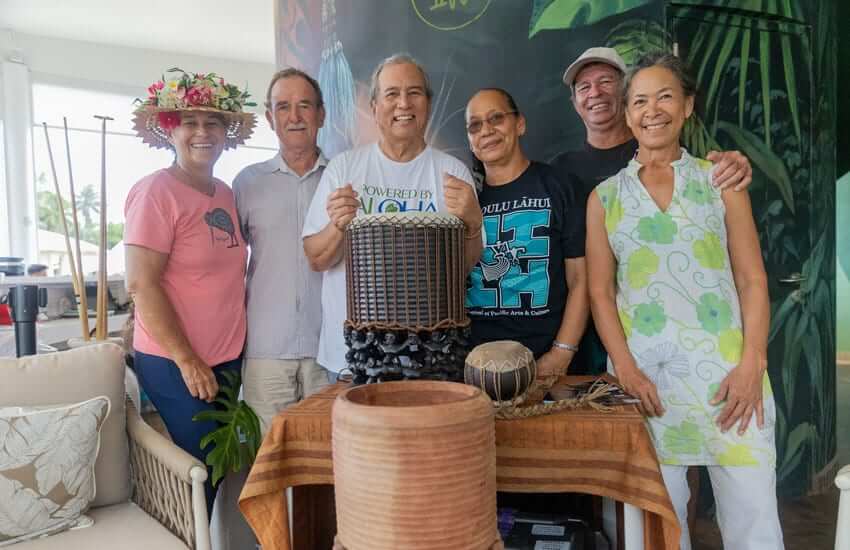
The event also included workshops such as Traditional Hawaiian Chant and Dance by Silva and Kekoa Harman; Traditional Drum-making Techniques by Keawe; Hawaiian Language Revival and Comparisons with Tahitian Language by Kimura and Pelehonuamea Harman; Traditional Feather Lei-making and Hair Adornments by Kilinahe Coleman; and Background and Use of ʻAwa in Ceremony and Social Engagements by Lāiana Kanoa-Wong.
“Hosting the cultural exchange affirmed that the ties between Hawaiʻi, Raʻiātea, Rapa Nui, Aotearoa and all our Pacific cousins remain unbroken. We shared our soul,” said Ferreira.
“Through ʻōlelo Hawaiʻi, hula, and ʻike Hawaiʻi, we reaffirmed identity and deepened our connection to place. These are not just traditions, they are our inheritance, and our gift to our beloved cousins in Raʻiātea.”
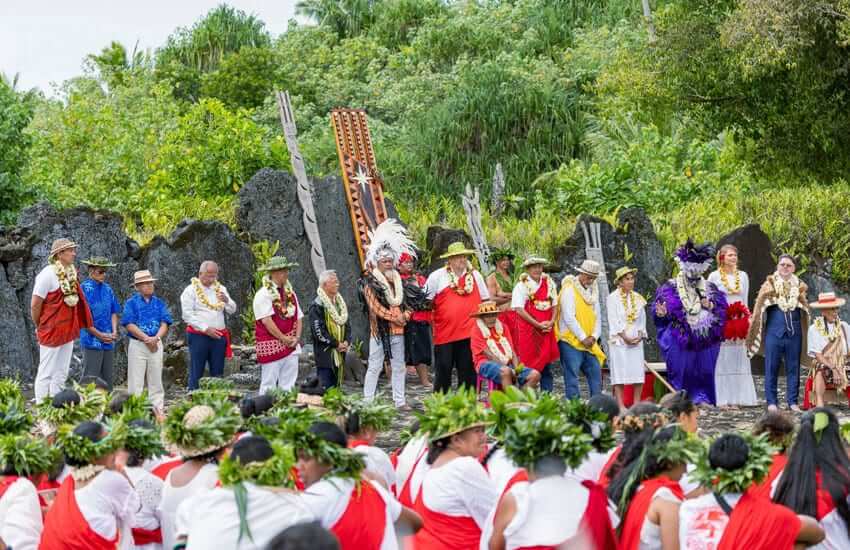
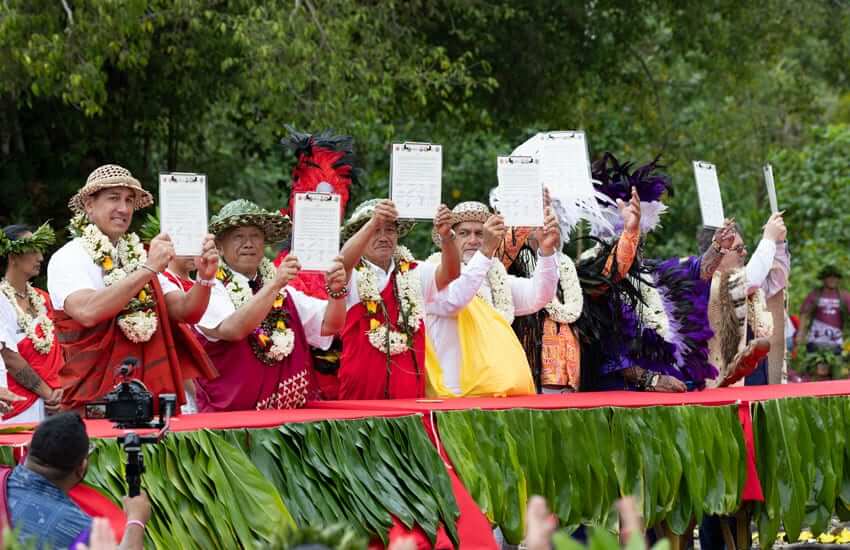
The fourth and final day of the festival dawned with rainstorms and gusty winds – but that did not dampen the enthusiasm of the thousands who gathered that morning at Taputapuātea Marae to witness the signing of another Charter of Cultural Heritage, Education and Community Exchange that this time also included Indigenous leaders from Aotearoa and Rapa Nui.
Conducting the ceremony at Taputapuātea, the sacred marae on the eastern coast of Raʻiātea, was deeply meaningful and symbolic. Considered to be at the very center of Polynesia, Taputapuātea is believed to be where the world of the living (Te Ao) intersects with the world of the ancestors and gods (Te Pō). Taputapuātea Marae is also recognized as a United Nations Educational, Scientific and Cultural Organization (UNESCO) World Heritage Site.
The ceremony included traditional protocol, pule, oli, mele and oration. Speaking on behalf of Hawaiʻi was Kimura, while Fong spoke on behalf of Kamehameha Schools and Silva offered an oli. Kahele and Fong signed the charter on behalf of Hawaiʻi.
“Standing at Taputapuātea Marae with our partners at Kamehameha Schools, we signed a charter committing to the perpetuation of language and culture, enshrining this relationship for future generations,” said Kahele.
“Over the next decade, I see this partnership deepening through exchanges, resource- sharing, and collective advocacy, ensuring our languages and practices not only survive, but thrive.”
“Signing the charter at Taputapuātea was a profound affirmation of our shared identity and purpose,” added Ferreira.
“Through subsequent gatherings, we will not only build our pilina, but a network of collective leadership to address the pressing issues facing Indigenous peoples and seize the opportunities that will allow us to thrive, honor our kūpuna, and shape a future where Pacific peoples will rise together.”
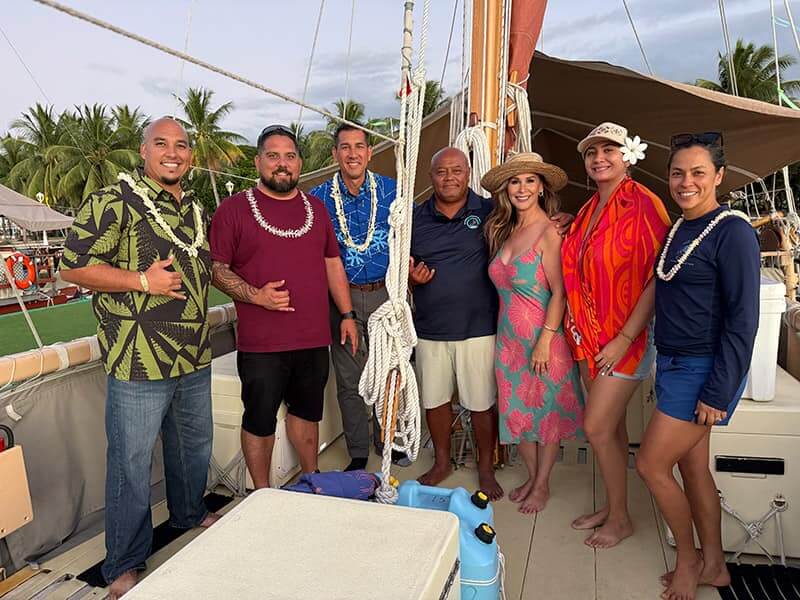
As it happened, Hōkūleʻa and Hikianalia and their crews were in French Polynesia at the same time as Hawaiʻi’s delegation to the festival, resting between the 13th and 14th legs of the Moananuiākea Voyage.
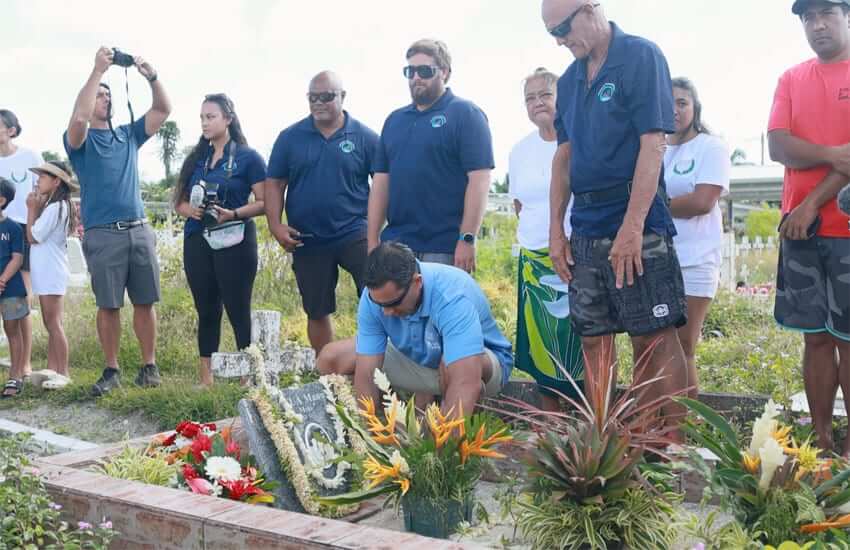
This afforded an opportunity for the Hawaiʻi delegation to join the Polynesian Voyaging Society (PVS) at a 50th Birthday celebration for Hōkūleʻa hosted by the village of Tautira on the east coast of Tahiti Island. Tautira shares a special connection with PVS, having hosted Hōkūleʻa and her crew many times over the last five decades.
This most recent visit honored and continued that legacy of friendship. The celebration included a gravesite remembrance honoring Tautira kūpuna, now departed, who first welcomed Hōkūleʻa to Tahiti, along with the sharing of moʻolelo, mele, dance, and a video presentation about the enduring relationship between Tautira, PVS and Hōkūleʻa.
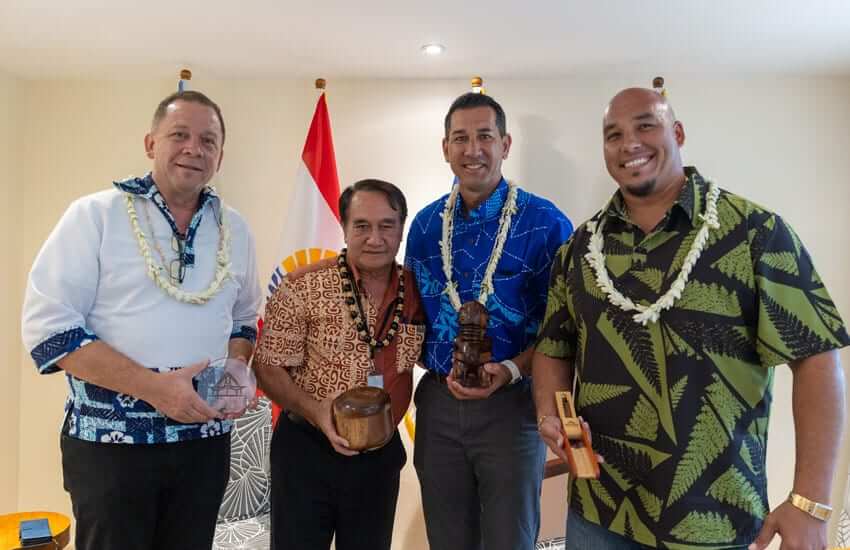
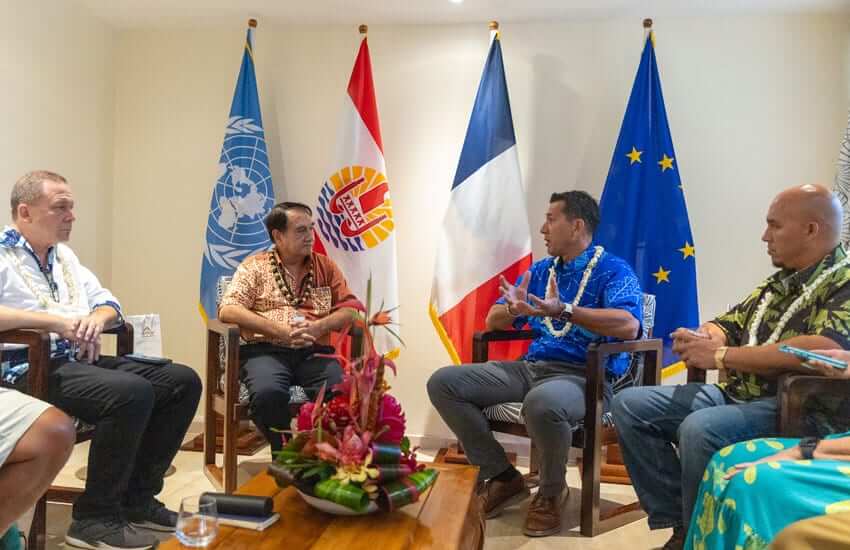
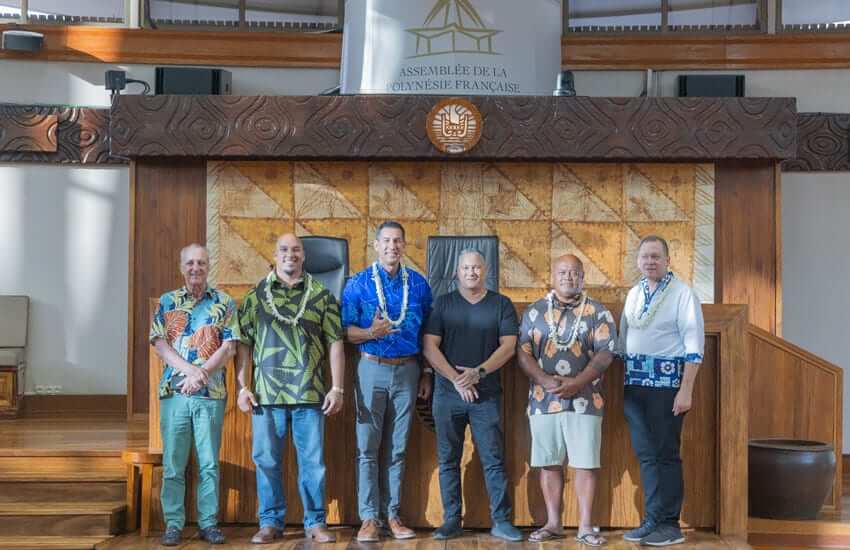
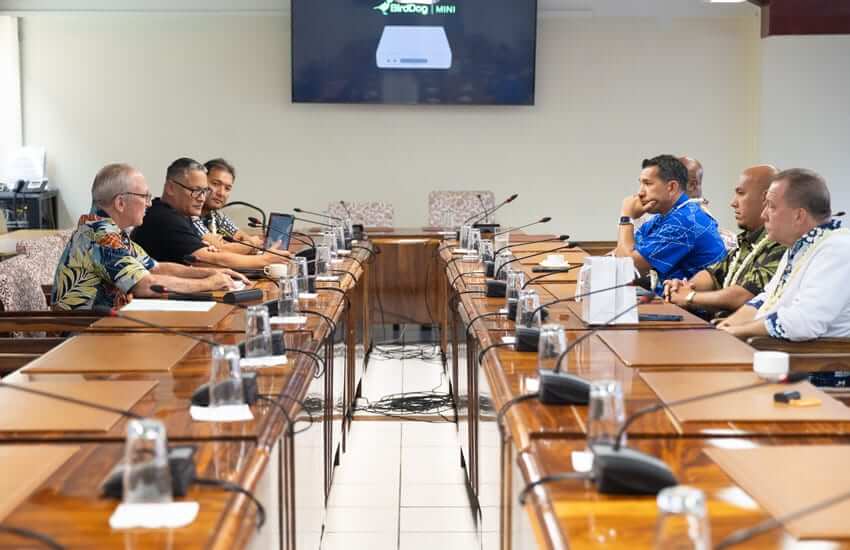
During their brief stay in Papeʻete, Tahiti, Kahele and Souza also met with Assemblée de la Polynésie Française (Assembly of French Polynesia) President Antony Géros and some of his staff. Géros is the leader of the pro-independence party Tavini Huiraʻatira (the current ruling party that enjoys a super majority in the assembly).
During an hour-long meeting, the leaders discussed their shared concerns, such as our respective challenges regarding self-determination, economics and education, with Géros noting that the Pacific region has recently begun attracting increased, and unwanted, attention from world powers.
Following the meeting with Géros, Kahele and Souza met with assembly member Steve Chailloux. Their discussions with Chailloux centered on challenges Māʻohi Nui faces with declining fluency in their Indigenous languages (reo Māʻohi) among their young people.
Despite retaining an Indigenous ethnic majority of about 85%, as an “overseas collectivity” of France, the only official language of “French Polynesia” – which includes the Society Islands, the Marquesas Islands, The Austral Islands, The Gambier Islands and the Tuamotus – is French.
And because educational funding comes from France, there is little support for bilingual education. This is further complicated because each of the five island groups that comprise Māʻohi Nui have their own distinct languages (see related article).
“Hawaiʻi’s future with other Polynesian and Indigenous governments lies in building parity and collective strength – politically, economically, and culturally. By sharing language resources, holding recurring forums, and rooting our efforts in the kuleana to our children and places, we can both safeguard our own ʻōlelo Hawaiʻi and stand in solidarity with Tahiti’s fight to keep reo Māʻohi alive for generations to come,” Kahele noted.
Reflecting on OHA’s journey to Raʻiātea, Ferreira said that it was a privilege to have been welcomed there and that it was “a meaningful step in strengthening our connections and continuing to share in this legacy of cultural pride and unity.
“Engaging in international affairs across Moananuiākea is not just diplomacy – it is the restoration of ancestral pilina,” she added.
“Our participation in Heiva Raromataʻi was a reaffirmation of an ancient kinship that binds Hawaiʻi and Raʻiātea through shared language, heritage, and values,” Farden asserted.
“By enshrining this relationship in the charter, we are ensuring that the spiritual, cultural, and political ties between our peoples will be nurtured and strengthened for generations. In the next decade, I envision this bond becoming a living bridge – one that supports joint cultural renewal, language growth, and the shared defense of our ancestral legacies.”