
By Lilinoe Kauahikaua
As we honor this recovery month, we are reminded of how our ancestors lived in balance with ʻāina, guided by the energy of the world around them, the wisdom of our kūpuna, and the deep knowing that our health was tied to the wellbeing of all around us.
Healing was part of daily life. The loʻi fed our bodies, oli fed our spirits, and ʻike kūpuna fed our minds. We knew who we were, where we came from, and the kuleana we carried.
Somewhere along the way, that balance was disrupted. Today, too many of our people face challenges with substance use, mental health, and incarceration, often pushed into treatment programs that were never built for us. Even the word “recovery” can feel unfamiliar to some.
It might recall 12-step meetings, which help some people, but don’t connect for everyone. For decades, the same approaches have addressed only the symptoms we see on the surface, without tending to the roots.
Year after year, our people enter treatment more often than others, but the numbers haven’t changed. The way we’re doing things now isn’t working. We need something different, a collective shift. We need to hoʻi i ka piko, return to center of who we are as Kānaka.
In Hawaiʻi, healing from addiction can be more than a clinical process. It can be a journey of remembering, restoring, and reconnecting.
It can be working in the loʻi, feeling the lepo (dirt) between our toes, reconnecting to the same ʻāina that sustained our kūpuna. It can be gathering as a collective, grounding with oli, and sharing ancestral ka‘ao (stories) that can help us to better understand ourselves, our life journeys, and how to find healing.
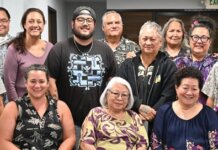
We’ve seen a glimpse of what’s possible through projects like Ola ka Huakaʻihele o Hiʻiaka. In this pilot project, both behavioral health and ʻāina practitioners walked in the footsteps of Hiʻiaka, guided by ancestral stories, to deepen their ability to support recovery and healing that is rooted in ʻāina, relationships, and spirituality. The experience strengthened relationships, inspired collaboration, and reminded us that healing starts from our roots.
This is the kind of future we can create together, one where recovery is grounded in cultural foundations, where behavioral health and ʻāina practitioners walk side-by-side, and where ancestral practices are not just remembered, but lived. Imagine recovery and healing spaces that feel like home, where the ʻāina, the people, and the stories work together to carry us forward.
So we ask: What could recovery and healing look like if we built it together, rooted in the life ways that kept us thriving for generations? Let us return to our piko together, so the healing we start today will live on for generations.
Visit polhi.org/substance-use to learn more about our programs in mental health and recovery.