Nā Mea Hawaiʻi – originally called Native Books and Beautiful things – was co-founded over 30 years ago by Maile Meyer and a hui that included Nakeʻu Awai, Colleen Kimura of Tutuvi, Nola Nāhulu of Betty Muʻu, and more.
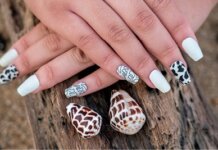
Their collaborative business model featured locally made Hawaiian fashion, art, clothing, cultural items made from wood, stone, bone, shell and materials from the ʻāina, food products like Mamaki tea, beauty products, hula implements, Hawaiian books and other mea (things) made in the islands.
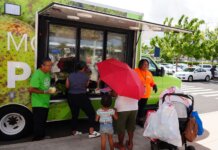
Nā Mea was always a collective effort intended to support small businesses, farmers, practitioners, artists, writers and the makers of Hawaiian things. In perpetuating traditional values and communal practices, their business model was more about sharing than financial gain and about instilling pride in the culture and community rather than commodifying it.
This model attracted people who also valued participating in a shared economy – like some retailers who are working for causes bigger than money.
“David Shepard is a scientist and conservationist who initially sold shirts out of the back of his car. And Hawaiian Force got popular really fast but their main focus is to support PKO (Protect Kahoʻolawe ʻOhana),” Meyer said, emphasizing the altruistic nature of these businesses.
Each business has different goals and sharing a value system allows for flexibility in supporting each one. Nā Mea’s retailers and makers range from small start-ups looking to create a stable income to those who have reached their goals and everything in between.
In the spirit of community, Nā Mea added activities and a Kīpuka Makerspace to bring people together to learn lauhala, featherwork and lei-making.
Nā Mea Hawaiʻi has cultivated a Hawaiian way of doing business by working collaboratively in a sharing economy rather than a profit margin. This past June, the Council for Native Hawaiian Advancement (CNHA) purchased Nā Mea Hawaiʻi and plans to carry that legacy forward.
“CNHA is committed to honoring Maile’s vision and continuing her decades-long work of uplifting Native Hawaiian makers, learners, and practitioners,” said Max Mukai, CNHA’s director of business development.
“They are the right amplifier of Nā Mea’s value system in supporting local businesses and start-ups,” Meyer added enthusiastically. “They have been a steppingstone for so many businesses.”
Meyer remains actively involved with Nā Mea Hawaiʻi under CNHA as a consultant to guide the transitional process and ensure that the Na Mea brand’s legacy, values, and cultural integrity are upheld.
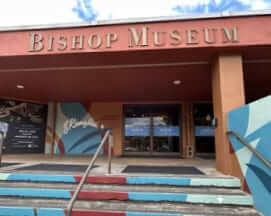
It has only been a few months, and CNHA has already expanded the brand reach, launching into the Hawaiʻi’s Finest Summer Expo and acquiring and moving into a second retail space at Bishop Museum’s Shop Pacifica.
“The museum provides an opportunity to reach even more audiences and deepen engagement through programming that celebrates Native Hawaiian culture, storytelling and craftsmanship,” said Mukai.
Bishop Museum is anticipating stronger brand alignment between Shop Pacifica, the museum and the possibility of exclusive merchandise created in collaboration with local artists, makers, and cultural practitioners inspired by the museum’s collections.
“We saw in CNHA not just a capable retail operator, but an organization that puts community at the center of everything they do,” said Brandon Bunag, Ed.D., Bishop Museum vice president of public programs and interim director of education. “CNHA is a natural partner for us because of the deep alignment between our missions and their community focus.”
Shop Pacifica will also be a space for workshops, product showcases, and cultural events that will turn the shop into a place for gathering and learning.
“Bishop Museum is a natural fit to uplift businesses that have been long standing vendors with Nā Mea Hawaiʻi, The Mākeke, and our KūHana business accelerator,” said Mukai.
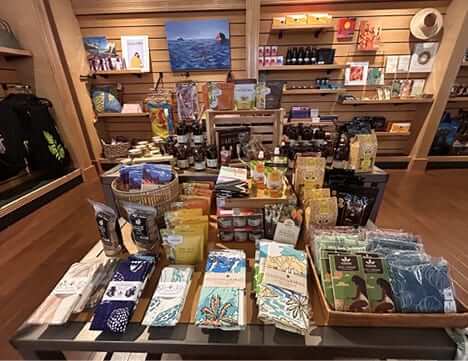
“Together in one space, visitors and kamaʻāina are offered a curated selection of local fashion, accessories, snacks, memorabilia, and more.”
Nā Mea Hawaiʻi’s brand is now a part of CNHA’s integrated business and ecomonic support programs that offer entrepreneurial training, business loans, retail opportunities and cultural education. Individuals can potentially work their way through the various multifaceted programs, gain valuable information and life experience, and eventually create a thriving business venture of their own.
CNHA is working to build more capacity to support and establish a larger presence of Native Hawaiian businesses in the marketplace, reaching visitors and the local community on a larger scale.
Local and Native Hawaiian-owned businesses interested in participating in CNHA’s larger marketing presence can fill out a vendor application at themakeke.com.