
I am Kamehameha, ruler of north and west Hawai’i. Keōua, my cousin, rules south and east. One island. Two kings. In my absence, Keōua filled the wombs of our pregnant women with stones and stomped on them to kill the unborn. Keōua murders kūpuna, burns villages, and plunders fishponds. He breaks open the loʻi banks laying waste to kalo. My cousin wants me sacrificed. He wants to cook me until my flesh peels from bone to get my mana.
My attack on Maui left the land unprotected. My makaʻāinana had few warriors and Keōua’s army streamed into Kohala unchallenged. He killed those trying to defend my villages.
The enemy hides in Kapāpala’s rain forest. My three mano (12,000) have Keōua’s army cornered on Kīlauea’s ma kai side. We fight uphill. Stones from maʻa slings fill the air around us. “Pūʻulu Kawa!” I call. Wedge formation. We march rows of 10 men, with flanking warriors. Defensive formation. We must beware of surprise attacks from both sides of the crater.
Keʻeaumoku advances. His warriors have pololū spears and pīkoi clubs. I send the young hoahānau (kinsmen) up a trail cut in the western ridge. Young and Davis pull Lōpaka on a koa sled with ropes. The lead balls are gone. Now Lōpaka sprays ʻiliʻili (river stones).
I lead a mano (4,000) of maʻa and spear men up a lava hill through the thin trunks of ʻohe (bamboo). Scouts spot Keōua’s army, one with boys behind a front wall of hardened warriors. I must destroy this front wall.
My mano charges through the ʻōhiʻa, warriors slinging stones and hurling ihe. The enemy hurls stones and spears. “ʻUmia ka hanu!” I call. Keōua reaches us with his musket men – they fire at the enemy.
Keʻeaumoku charges down from the western ridge. We join his hoahānau and are two mano (8,000) strong swarming through timber bamboo. I wield my stone pīkoi and see Keōua, his crescent helmet adorned with yellow feathers.
He is as dark as the black warrior of Maui and wears a battle cape made of pigskin. He fights with pāhoa in one hand and cutlass in the other. He carves through my warriors. Strange how we surfed together as boys in Waipiʻo, played hākōkō (wrestled), and rolled the maika stone between stakes. We hated war. Now war is what we live for.
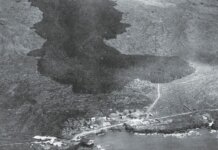
Kīlauea groans. Earth waves roll under my feet. Gray clouds form behind Keōua’s army. The volcano spews cinders and sulfur gas, its fiery lehu ahi (fire ash) raining down. Keōua’s bravest warrior burns in the fiery kūkaepele (brimstone). Molten lava kills a lau (4,000) of our rivals. The air fills with sulfur gas and ʻaeʻae, the blinding volcanic powder. Black fog billows over the crater.
Keōua and his survivors regroup in Hāmākua. They are two mano (8,000). I reunite with Keʻeaumoku. We march over barren fields and enter barren ravines. My scouts are attacked with stones and spears. “Kolamu!” I call. Column formation.
We advance in rows 20 men wide. The first line wields the pololū (long spears). The second fights with the ihe (spears). The third swings the pālua pūʻili (double club). Dagger men make up the fourth. The fifth line strikes with the stone pīkoi (tripping club). Cannons on sleds follow.
I advance 100 musket men – guns fire. Keōua’s men retreat to caves and crevices. Bitter fighting rages. I am no lover of death. I know I will meet the dead in the next world, including those who perished at my hand.
We push Keōua’s forces into Puna. ʻOiai, he naele ke kuʻuna e kiʻi aku ai. I cannot find the enemy in this jagged place. Keōua knows when to break back, when to circle, when to launch surprise attacks. I lose more warriors. This battle could last a full season or even years.
To lose this island to my cousin would make me appear weak. I will not lose. But I must pause this war. Keʻeaumoku begs to press on. I tell him to retreat home and begin the heiau. My army of koa warriors know this is only a temporary truce. Keōua rules Kaʻū, Hilo, and Puna. I control the districts of Hāmākua, Waimea, Kohala, and Kona. Strange how my cousin rules the valley where I proved my royal blood by moving the Naha Stone.
I return to Kona. The royal court speaks in whispers. They doubt my mana for not defeating Keōua. Rumors swirl. There is talk Kaʻahumanu took Kaʻiana as her lover when I was with young Keōpūolani on Molokaʻi. Was this her revenge for me visiting another wahine?
A chief tells me Kaʻiana frequently appeared at the queen’s hut, gifting her pearls and koa boxes. Sweet Keōpūolani, who befriended the queen, saw nothing. This dear girl, who is my second wife, never lies. But is she filled with so much good she is blind to recognizing the lust and desire in my queen’s eyes?
I exile Kaʻiana. The ali’i wahine are bitter losing him. My most trusted aliʻi, the man guarding the Kū totem, has been accused of being my queen’s lover. Kaʻahumanu denies this. Still, I cannot risk the rumor spreading from the court to the makaʻāinana (commoners). Kaʻiana leaves my court for Oʻahu.
Completing the great heiau is a small gift for a god yet great in the eyes of the makaʻāinana. Summon fishermen and farmers. Bring gourds of river water, fish, poi, and fruit. My workers must be fed.
Our line begins at Puʻukoholā heights and stretches to Pololū Valley. The stones move through the hands of the makaʻāinana, warriors, and chiefs. We are one. We build Kū’s altar. The heiau will be made of the stones from the shore and river valley, pōhaku worn smooth by time. ʻAe, Keōua, see my great force. We will meet when the oracle tower rises over the Hill of the Whale and casts a long shadow.
We build stone by stone. One makahiki (year) passes. Then a second. Puʻukoholā is not pau, though a capstone has been set and a kapa tower drops a shadow. The heiau is 250 feet long by 100 feet wide. Walls 12 feet thick rise eight feet ma uka and 20 feet ma kai. I must find the mona, a human sacrifice. This temple is heiau poʻo kanaka and must be consecrated to honor Kūkaʻilimoku. The puaʻa heʻa (sacrificed pig) must be an aliʻi. My kāhuna demand Keōua. I send a messenger to Hilo, inviting my cousin to Kona. I tell him we can rule as equals. Will Keōua come?
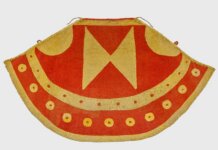
I stand beside the oracle tower. The sea fills with canoes. A lau (4,000) of enemy warriors paddle offshore. Some beat the sides of canoes with clubs. Keōua wears a red cape. My men invite him to land. Dear cousin, see the great heiau I dedicate to Kū. Keʻeaumoku swims out to greet you. He climbs in your canoe, wrestles you off, and you fight in the shallows. Keʻeaumoku keeps your head under the sea. Your body quits flailing and goes limp. My cousin’s body is placed at my feet.
The kāhuna behead Keōua. They bake body and head in the imu facing Kohala. The stink of flesh cooking and burning hair is strong. The kāhuna strip flesh from bone. Bones and head placed on the altar. The sacrifice honoring Kū has been made. Now I will train my koa (warriors) on Molokaʻi before we send forces against Oʻahu.